


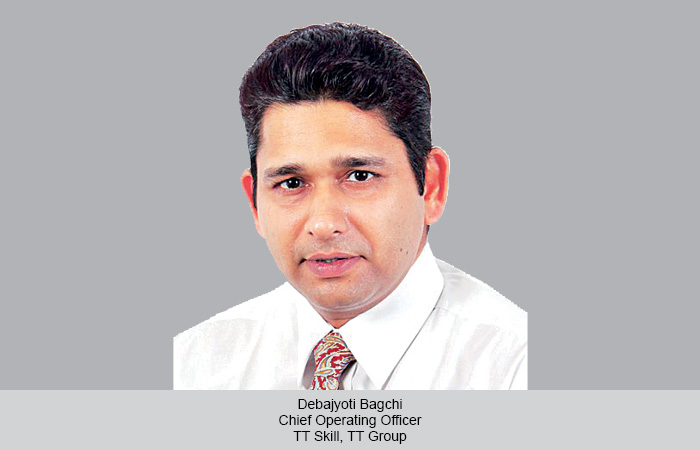
India’s air cargo and logistics sector is rapidly evolving, driven by automation, AI, and digital technologies. The industry needs a skilled workforce, combining operational expertise with proficiency in tech, to pave the way for a logistics ecosystem, says Debajyoti Bagchi, Chief Operating Officer, TT Skill, TT Group.
CT Bureau
What are the most critical skills the air cargo and logistics workforce needs today to keep pace with rapid industry transformation?
The logistics and cargo industry stands at a dynamic crossroads, where upskilling has never been more critical. Rapid technological advancements, automation, and the evolving demands of global trade are fundamentally reshaping the workforce landscape, making skilling initiatives and policy interventions essential. To thrive in today’s air cargo and logistics environment, professionals must master a mix of digital and operational expertise. Being comfortable with digital literacy, especially automation tools, cloud-based collaboration, and advanced cargo management systems, is a must. So also is data analytics and data-driven decision-making for route optimisation, delay prediction, and operational efficiency. Technology proficiency in automation, AI, and IoT-enabled systems alongside strong risk analysis and problem-solving skills should be another comfort zone. One must be aware of regulatory compliance from relevant circulars/notifications from CAAs and certification from IATA, including global safety standards and digital documentation. In addition to that soft skills, such as adaptability, negotiation, leadership, and people management are important areas for modern workforce.
Which emerging roles do you foresee become essential over the next decade?
India’s logistics future will be powered by newly essential roles such as digital supply chain managers who bridge technology and operations. Warehouse automation specialists and robotics operators, critical for efficient, high-volume facilities. Data scientists and analytics experts for real-time tracking, predictive maintenance, and trend analysis. Cybersecurity specialists as operations become increasingly digitised. Last but not the least, sustainability officers dedicated to ESG compliance in green logistics.
What policy interventions could speed up skilling in air cargo and logistics?
India has launched bold initiatives to accelerate skilling in logistics. The NLP and PMGS, which focus on roads, ports, airports, mass transport, waterways, logistics infrastructure, and railways bring a tech-driven approach to boosting logistics efficiency and workforce capabilities. In addition to Bharatmala (Highway Development project) and Sagarmala (port-led development initiatives) are two flagship infra programmes by the Centre, each playing a transformative role in modernising India’s logistics landscape.
Massive expansion of logistics-related courses at universities and vocational institutes ensures a steady pipeline of trained professionals.
Modular skilling and certification programmes alongside incentives linked to employability, upskill informal and entry-level workers for a modernised sector. Digitised training, certification, and compliance tools often in partnership with leaders like TT Skill will close key skill gaps.
What is your vision for a fully skilled, technology-ready air cargo workforce
Looking at India 2030 ahead; at TT Skill, we are eying at fully skilled, technology-ready air cargo workforce that merges world-class efficiency, global regulatory compliance, and sustainability. India’s air cargo industry aspires to handle 10 MMT by next five years with the help of digital transformation and automation.
Seamless integration of AI, IoT, and robotics will optimise every touchpoint from warehousing to last-mile delivery, supported by a highly trained, adaptable workforce.
Continuous learning partnerships between academia and industry, supported by the government and private stakeholders, will enable reskilling as technologies evolve. This is the area where TT Skill is committed to play an important role to bridge between academia and industry. A logistics ecosystem that keeps pace with international
trends, drives India’s economic ambitions, and delivers reliable, resilient service, domestically and internationally. A future-ready logistics sector in the country will be defined by its people who will be empowered, digitally fluent, and agile enough to lead the logistics and supply chain transformation ahead.